
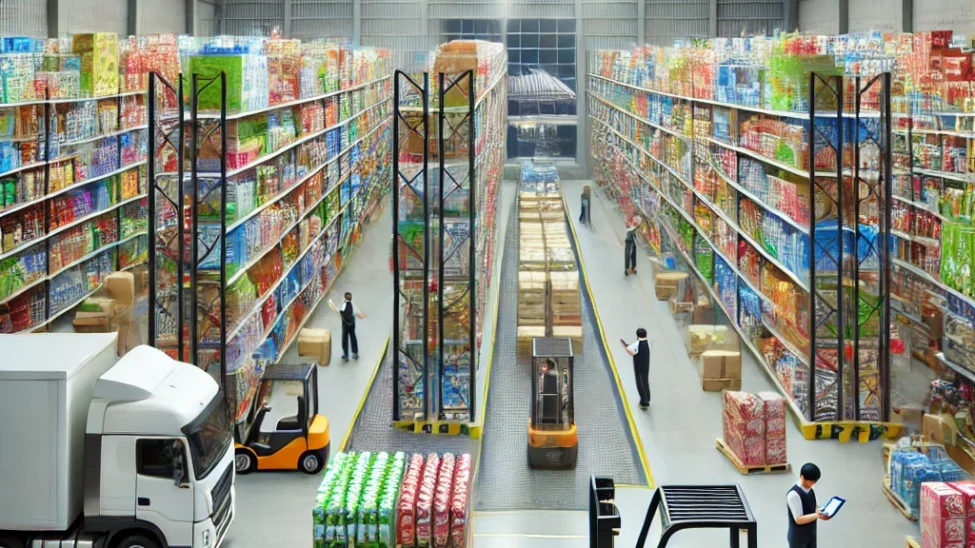
Future Warehousing: AI, Automation & Sustainability
The warehousing industry is transforming with rapid advancements in automation, artificial intelligence, and sustainability. Companies are focusing on optimizing storage, improving order fulfillment, and reducing environmental impacts to meet evolving supply chain demands. This article explores the key trends defining the future of warehousing.
Automation and AI in Warehousing
Robotics and Automated Order Fulfillment
Automated warehouses leverage robotics to enhance order fulfillment, reducing labor costs and improving efficiency. AI-powered picking systems and autonomous robots streamline workflows, ensuring faster deliveries and minimizing errors.
AI-Driven Inventory Optimization
AI-powered inventory management enhances warehouse efficiency by predicting demand fluctuations, optimizing stock levels, and reducing waste. AI-driven analytics improve decision-making, ensuring cost-effective storage solutions.
Sustainability and Green Warehousing
Energy-Efficient Warehousing Solutions
Companies are investing in green warehousing by incorporating solar panels, energy-efficient lighting, and eco-friendly insulation. Sustainable warehouses lower energy costs and reduce carbon footprints, supporting global climate goals.
Waste Reduction and Circular Economy Initiatives
The adoption of circular economy practices promotes sustainability by encouraging material reuse, packaging recycling, and waste reduction. These initiatives align with environmental regulations and consumer demand for greener supply chains.
Digital Transformation in Warehousing
Internet of Things (IoT) for Smart Warehouses
IoT technology enhances real-time tracking, inventory monitoring, and automated asset management. IoT-powered sensors provide warehouse operators with precise data on storage conditions and stock movement, reducing operational inefficiencies.
Blockchain for Secure and Transparent Transactions
Blockchain technology is revolutionizing warehousing by securing supply chain transactions, improving traceability, and reducing fraud. Smart contracts streamline payment processes, enhancing efficiency and trust in logistics networks.
Warehousing Infrastructure and Logistics Innovation
Expansion of Micro-Fulfillment Centers
With the rise of e-commerce, micro-fulfillment centers are becoming essential for faster order processing. Strategically placed small warehouses near urban areas reduce delivery times and enhance last-mile logistics.
Smart Warehouses and AI Integration
The shift toward smart warehouses integrates cloud-based warehouse management systems (WMS) and AI-powered automation. AI-driven logistics optimize space utilization, improve safety, and increase warehouse productivity.
Workforce Adaptation in Warehousing
Training for AI and Robotics in Warehousing
As automation grows, warehouse workers require new skill sets in AI-driven systems, robotics, and digital logistics. Training programs focus on upskilling employees to manage and operate automated warehouses efficiently.
AI and Human Collaboration in Warehouse Operations
The integration of AI with human expertise improves operational efficiency. AI automates repetitive tasks, while human oversight ensures strategic decision-making and quality control in warehouse management.
Future Trends in Warehousing
Drone and Autonomous Vehicle Integration
Drones and autonomous vehicles are emerging as key solutions for inventory checks, warehouse surveillance, and last-mile delivery. These technologies enhance logistics speed, reduce manual labor, and improve warehouse accuracy.
Carbon-Neutral Warehouses and Sustainable Packaging
Companies are investing in carbon-neutral warehouses and sustainable packaging solutions to meet environmental goals. Renewable energy sources and eco-friendly materials contribute to greener and cost-efficient warehousing.
Conclusion
The warehousing industry is evolving through AI-driven efficiency, automation, and sustainability. Businesses prioritizing technology and green logistics will stay ahead in a rapidly changing supply chain landscape, ensuring improved operational performance and sustainability.


