
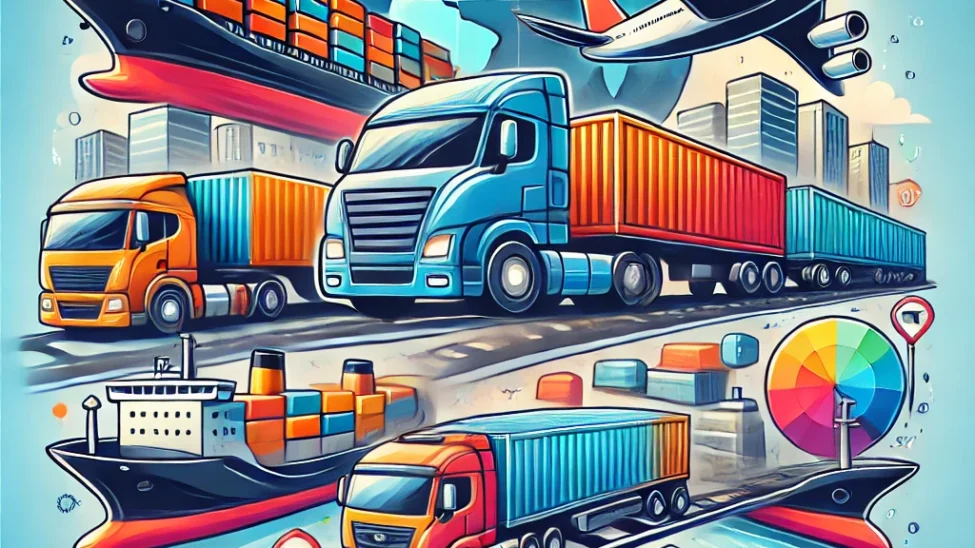
Future Shipping Trends: Smarter & Greener Logistics
The shipping industry plays a critical role in global trade, continuously evolving to meet technological advancements, sustainability goals, and logistical challenges. As demand for efficiency and eco-friendly solutions rises, companies are adopting new strategies to enhance performance. This article explores the key shipping trends shaping the industry’s future.
Technological Advancements in Shipping
Autonomous Vessels and AI Navigation
Autonomous ships powered by AI and automation are transforming maritime logistics. These vessels improve fuel efficiency, enhance safety, and reduce human intervention, minimizing operational costs and increasing supply chain reliability.
Blockchain and Digital Shipping Platforms
The rise of blockchain technology in shipping enhances security, transparency, and efficiency. Digital documentation and smart contracts eliminate paperwork, streamline customs clearance, and prevent fraud, optimizing global trade operations.
Sustainable Shipping Practices
Alternative Fuels and Zero-Emission Ships
The shift toward alternative fuels, including hydrogen, LNG, and biofuels, is helping shipping companies reduce their carbon footprint. Investments in zero-emission ships support global decarbonization efforts and meet stricter environmental regulations.
Electrification of Ports and Green Infrastructure
Major ports are integrating electric power and renewable energy solutions to lower emissions. Shore power, electric cranes, and automated cargo handling systems contribute to greener shipping operations and reduced fuel consumption.
Logistics and Supply Chain Efficiency
Internet of Things (IoT) in Maritime Operations
IoT technology is revolutionizing shipping by enabling real-time tracking, predictive maintenance, and cargo monitoring. Smart sensors optimize fleet management and enhance cargo security, reducing delays and operational risks.
AI-Powered Demand Forecasting
Artificial intelligence (AI) enhances demand forecasting and inventory management, allowing shipping companies to adjust supply chain strategies dynamically. AI-driven logistics improve efficiency and reduce overcapacity in global trade networks.
Infrastructure and Trade Developments
Smart Ports and Digital Connectivity
The adoption of smart ports with automated logistics, digital tracking, and predictive analytics enhances port efficiency. AI-driven scheduling and automation improve container throughput and reduce congestion in major global hubs.
Emerging Trade Routes and Global Connectivity
Changing global trade routes due to geopolitical shifts and climate change influence shipping strategies. Companies are investing in new logistics hubs and maritime corridors to optimize trade flows and reduce transit times.
Workforce Evolution in the Shipping Industry
Training for Digital and Automated Shipping
As shipping embraces automation, workforce skills must evolve. Training in AI, robotics, and digital platforms is essential for modern maritime professionals to adapt to the industry’s digital transformation.
AI and Human Collaboration in Shipping
Balancing AI-driven automation with human expertise ensures effective decision-making and operational efficiency. AI assists in navigation, cargo management, and predictive analytics while human oversight maintains safety and compliance.
Future Trends in Shipping
Decarbonization and Regulatory Compliance
Strict environmental regulations are accelerating efforts to decarbonize shipping. Companies invest in low-emission vessels, carbon capture technologies, and green corridors to align with global sustainability goals.
Growth of E-Commerce and Faster Deliveries
The rise of e-commerce is increasing demand for faster, more reliable shipping solutions. Innovations in last-mile logistics, drone deliveries, and automated warehouses are transforming consumer expectations and reshaping global freight networks.
Conclusion
The future of shipping is defined by sustainability, automation, and digital transformation. Companies prioritizing green technologies, smart logistics, and AI-driven efficiencies will lead the industry toward a more innovative and sustainable future.


