
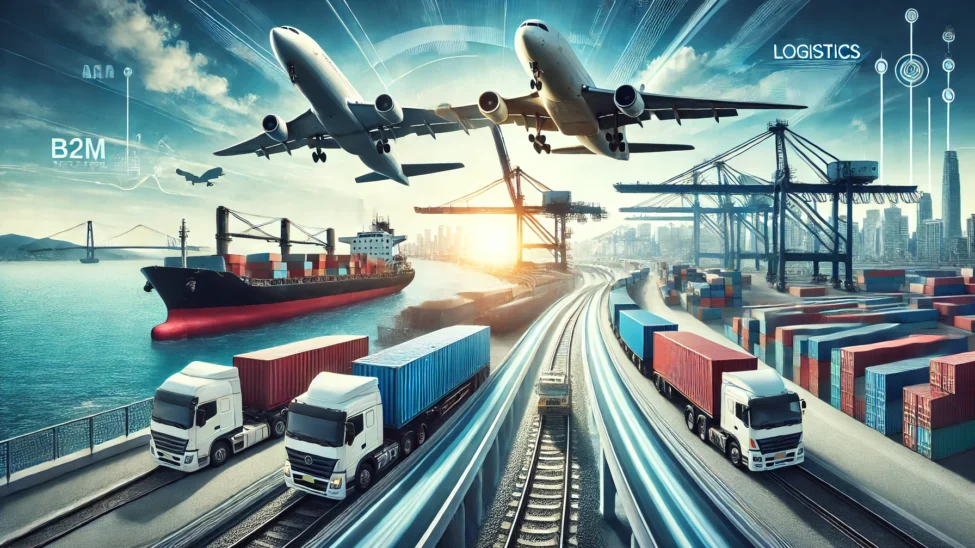
Future Freight Forwarding: Smarter & Sustainable
The freight forwarding sector is evolving due to digitalization, automation, and environmental concerns. As international trade demands faster, more efficient solutions, companies must embrace new logistics technologies. This article examines the key trends transforming freight forwarding.
AI and Automation in Freight Forwarding
AI-Driven Freight Management
Artificial intelligence (AI) enhances freight management by optimizing supply chains, improving efficiency, and reducing costs. AI-powered analytics refine demand forecasting, cargo tracking, and route optimization.
Robotics and Smart Warehousing
Automated warehouses and robotic systems improve freight handling, boosting efficiency and accuracy. AI-enabled logistics reduce manual intervention, ensuring quicker and cost-effective cargo movement.
Sustainable Freight Forwarding Practices
Low-Emission Freight and Alternative Fuels
Companies are shifting toward low-emission freight solutions such as hydrogen-powered trucks, biofuel ships, and electric delivery fleets. These initiatives align with global carbon reduction goals.
Eco-Friendly Packaging and Waste Reduction
Freight forwarders are implementing sustainable packaging solutions and reducing supply chain waste. Green logistics strategies contribute to cost savings and improved environmental responsibility.
Digital Transformation in Freight Forwarding
IoT and Smart Cargo Tracking
The Internet of Things (IoT) enables real-time cargo tracking, improving shipment visibility and reducing transit risks. IoT technology enhances efficiency and security across freight networks.
Blockchain for Transparent and Secure Trade
Blockchain technology secures freight transactions, preventing fraud and ensuring regulatory compliance. Smart contracts facilitate seamless customs processing and international logistics management.
Infrastructure and Logistics Innovation
Expansion of AI-Powered Logistics Centers
Smart logistics centers integrate AI and automation to enhance global freight forwarding. AI-driven hubs streamline customs clearance, optimize cargo flow, and improve trade efficiency.
Last-Mile Freight Solutions
With rising e-commerce demands, last-mile freight innovations such as autonomous vehicles and drone deliveries ensure faster, more cost-effective shipping solutions.
Workforce Evolution in Freight Forwarding
Training for AI and Digital Logistics Systems
Freight forwarding professionals need skills in AI-driven logistics, automation, and digital supply chains. Companies invest in workforce training to enhance industry adaptability.
AI-Human Collaboration in Freight Logistics
Combining AI automation with human expertise ensures seamless freight forwarding operations. AI optimizes data management, while human oversight guarantees quality assurance and compliance.
Future Trends in Freight Forwarding
Autonomous Freight Transport and Smart Routing
Self-driving trucks, drone cargo deliveries, and AI-powered logistics systems are revolutionizing freight forwarding. These technologies reduce costs, minimize delays, and enhance shipment efficiency.
Carbon-Neutral Freight and Renewable Energy
The transition to carbon-neutral freight forwarding includes investments in renewable energy, electric cargo fleets, and sustainable trade policies to meet environmental goals.
Conclusion
The freight forwarding industry is embracing AI, automation, and green logistics to enhance efficiency and sustainability. Companies investing in smart logistics solutions will lead the future of global freight forwarding.


