
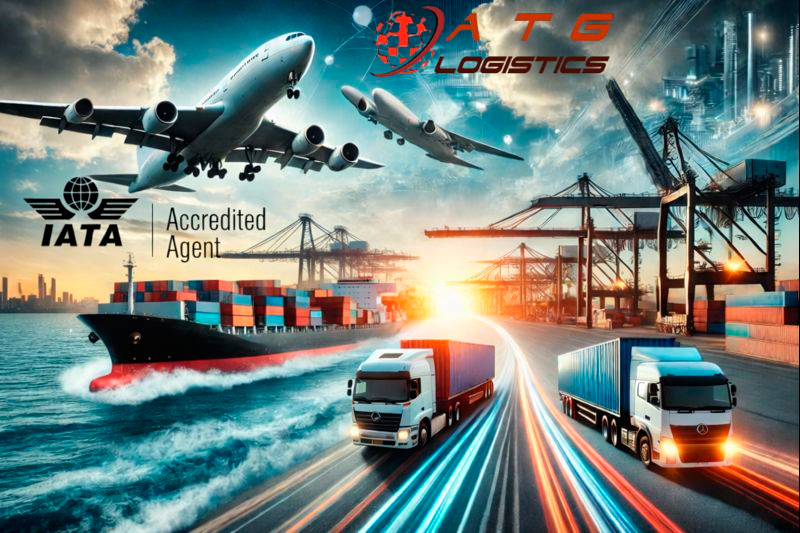
Future Cargo: AI, Automation & Green Logistics
The cargo industry is undergoing a major transformation driven by automation, AI, and sustainability. With growing global trade and e-commerce expansion, companies must enhance efficiency, security, and environmental responsibility in freight transport. This article explores the key trends defining the future of cargo logistics.
AI and Automation in Cargo
Robotics and Automated Freight Handling
AI-powered robotics are revolutionizing cargo handling by improving speed, precision, and efficiency in warehouses and shipping hubs. Automated systems streamline sorting, packing, and inventory management, reducing human error and operational costs.
AI-Driven Freight Optimization
Artificial intelligence (AI) enhances logistics by predicting demand, optimizing shipping routes, and improving delivery accuracy. AI-driven analytics reduce waste, cut transportation costs, and ensure smarter freight management.
Sustainable Cargo Solutions
Low-Emission Cargo Transport
The shift toward low-emission cargo transport includes the adoption of electric and hydrogen-powered trucks, biofuel ships, and eco-friendly aviation solutions. These efforts support corporate sustainability goals and comply with stricter environmental regulations.
Sustainable Warehousing and Green Logistics
Green warehousing integrates renewable energy, smart cooling systems, and waste reduction initiatives to minimize environmental impact. Sustainable logistics strategies improve supply chain resilience and cost efficiency.
Digital Transformation in Cargo Logistics
IoT and Smart Cargo Tracking
Internet of Things (IoT) sensors provide real-time tracking, ensuring cargo security, temperature monitoring, and efficient asset management. IoT-driven logistics enhance shipment visibility and reduce losses due to mishandling.
Blockchain for Secure Freight Transactions
Blockchain technology secures cargo transactions by preventing fraud, reducing paperwork, and enhancing supply chain transparency. Smart contracts streamline freight payments and improve collaboration among global logistics providers.
Cargo Infrastructure and Logistics Efficiency
Expansion of Automated Cargo Hubs
The rise of automated cargo hubs improves port, airport, and distribution center efficiency. AI-driven logistics networks enhance throughput capacity and minimize delays in global trade.
Last-Mile Cargo Innovations
E-commerce growth is driving innovations in last-mile cargo solutions, including drone deliveries, autonomous vehicles, and urban fulfillment centers. These advancements reduce delivery times and transportation costs.
Workforce Development in Cargo Logistics
Training for AI-Powered Freight Systems
The digitalization of freight logistics requires workforce upskilling in AI, automation, and smart logistics platforms. Companies invest in training programs to prepare employees for AI-integrated cargo management.
Human-Machine Collaboration in Cargo Operations
The combination of AI-driven automation with human expertise ensures efficient cargo logistics. AI enhances productivity, while human oversight ensures quality control and regulatory compliance in freight management.
Future Trends in Cargo Transport
Autonomous Freight Vehicles and Air Cargo Drones
Self-driving cargo trucks and AI-powered drones are reshaping freight logistics, reducing labor costs, increasing efficiency, and enabling faster deliveries.
Carbon-Neutral Freight and Renewable Energy Integration
The move toward carbon-neutral cargo operations includes adopting renewable energy sources, low-emission vehicles, and sustainable shipping strategies to meet global climate targets.
Conclusion
The cargo industry is rapidly advancing through automation, AI integration, and sustainability initiatives. Companies that embrace digital transformation and green logistics will thrive in the evolving freight market, ensuring long-term efficiency and competitiveness.


