
The Future of Logistics: Trends and Innovations
Introduction to Logistics
Logistics is the backbone of global trade, ensuring that goods and services flow seamlessly from producers to consumers. It encompasses a wide range of activities, including transportation, warehousing, inventory management, and information processing. In today’s interconnected world, efficient logistics are crucial for businesses aiming to meet customer demands and stay competitive.
The Evolution of Logistics
Historically, logistics began with the basic need to move goods from one place to another. Over time, it has evolved into a complex field integrating technology, strategic planning, and international regulations. The rise of e-commerce and globalization has further transformed logistics, making it a critical component of modern business operations.
Key Components of Logistics
Understanding the primary elements of logistics helps in grasping its impact on global supply chains.
Transportation Management
Transportation is at the heart of logistics, involving the movement of goods by land, air, or sea. Effective transportation management ensures timely delivery, cost efficiency, and adaptability to changing market conditions.
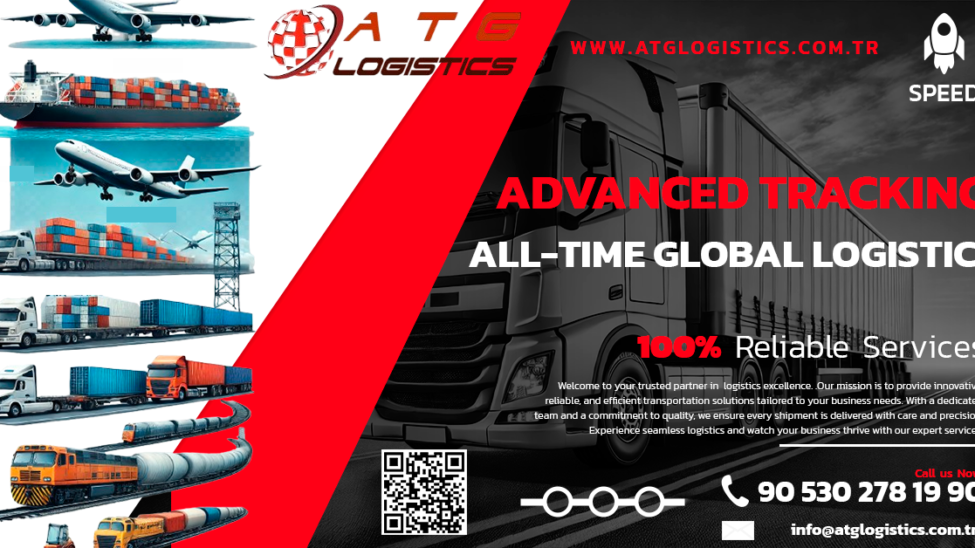
Modes of Transportation
- Road Transport: Ideal for short to medium distances, offering flexibility and accessibility.
- Air Freight: Provides rapid delivery for long distances, suitable for high-value or time-sensitive goods.
- Sea Freight: Cost-effective for bulky goods over long distances, though slower compared to air.
- Rail Transport: Efficient for large volumes over land, balancing speed and cost.
Warehousing and Storage
Warehousing involves storing goods until they are needed for distribution. Modern warehouses are equipped with advanced technologies to monitor inventory levels, ensuring products are stored safely and efficiently.
Types of Warehouses
- Distribution Centers: Focus on quick movement of goods, minimizing storage time.
- Fulfillment Centers: Handle picking, packing, and shipping of orders, especially for e-commerce.
- Cold Storage: Specialized facilities for perishable items requiring temperature control.
Inventory Management
Maintaining the right balance of stock is crucial. Inventory management involves tracking products to prevent overstocking or stockouts, optimizing costs, and meeting customer demands.
Inventory Control Techniques
- Just-In-Time (JIT): Minimizes inventory by receiving goods only as they are needed.
- ABC Analysis: Categorizes inventory based on importance and value.
- Safety Stock: Extra inventory held to prevent stockouts due to demand variability.
Information and Communication Technology (ICT) in Logistics
The integration of ICT in logistics has revolutionized the industry. Real-time tracking, automated processes, and data analytics enhance decision-making and operational efficiency.
Technological Innovations
- Transportation Management Systems (TMS): Software that facilitates the planning and execution of the physical movement of goods.
- Warehouse Management Systems (WMS): Tools that optimize warehouse operations, from receiving to shipping.
- Internet of Things (IoT): Devices interconnected to monitor and manage logistics operations in real-time.
The Role of Logistics in Supply Chain Management
Supply Chain Management (SCM) oversees the entire production flow, from raw materials to delivering the final product. Logistics plays a pivotal role in SCM by ensuring each component functions cohesively.
Enhancing Efficiency
Effective logistics streamline operations, reduce costs, and improve customer satisfaction. By optimizing transportation routes, managing warehouses efficiently, and maintaining optimal inventory levels, businesses can achieve a competitive edge.
Risk Management
Logistics involves navigating various risks, including delays, regulatory changes, and environmental factors. Proactive risk management strategies, such as diversifying suppliers and investing in technology, help mitigate these challenges.
Innovations Shaping the Future of Logistics
The logistics industry continually adapts to emerging technologies and methodologies to meet evolving market demands.
Automation and Robotics
Automation reduces manual intervention, leading to faster and more accurate operations. Robotics in warehouses, for instance, enhance picking and packing processes, increasing throughput and reducing errors.
Artificial Intelligence and Machine Learning
Artificial Intelligence (AI) and Machine Learning (ML) analyze vast amounts of data to predict trends, optimize routes, and improve decision-making. These technologies enable predictive maintenance, demand forecasting, and personalized customer experiences.
Sustainable Logistics
Environmental concerns have led to the adoption of green logistics practices. This includes using energy-efficient transportation modes, optimizing routes to reduce fuel consumption, and implementing eco-friendly packaging solutions.
Challenges in the Logistics Industry
Despite advancements, the logistics sector faces several challenges that require strategic solutions.
Globalization and Market Dynamics
Expanding into international markets introduces complexities such as diverse regulations, cultural differences, and fluctuating economic conditions. Businesses must adapt to these dynamics to remain competitive.
Technological Integration
While technology offers numerous benefits, integrating new systems with existing infrastructures can be challenging. Ensuring data security, employee training, and system compatibility are critical considerations.
Regulatory Compliance
Navigating the complex web of international trade regulations requires meticulous attention. Non-compliance can lead to delays, fines, and reputational damage. Staying informed and collaborating with regulatory experts is essential.
Strategies for Effective Logistics Management
Implementing best practices in logistics management enhances operational efficiency and customer satisfaction.
Embracing Technology
Investing in modern technologies such as TMS, WMS, and IoT devices provides real-time visibility and control over logistics operations.


