
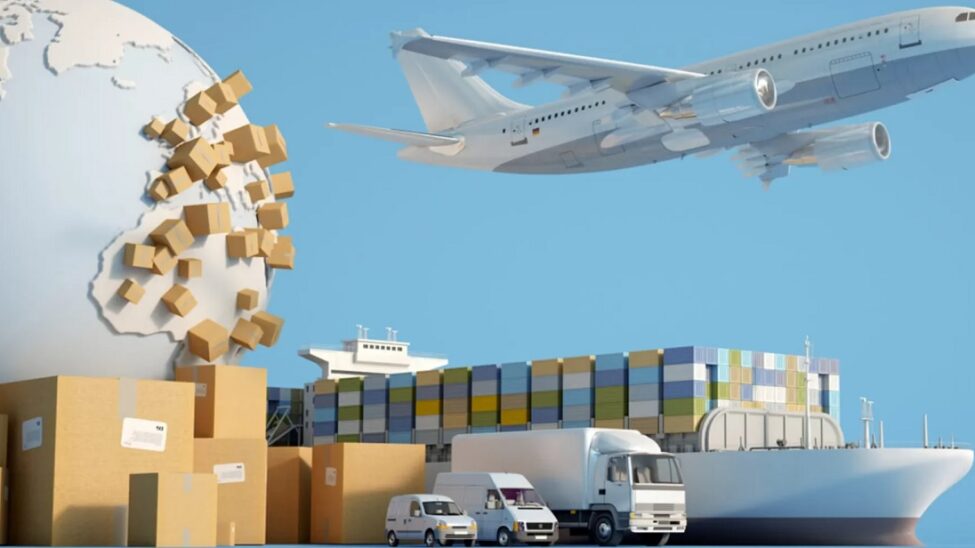
The Future of Distribution Services in Logistics
Distribution Services in the Logistics Industry: A Comprehensive Guide
Introduction
Distribution services are the backbone of modern logistics, ensuring that goods reach their intended destinations efficiently. These services encompass transportation, warehousing, inventory management, order fulfillment, and packaging. As global trade expands, distribution services have become more complex, integrating advanced technologies and data analytics to streamline operations. This guide explores the various aspects of distribution services, their challenges, and future trends in the industry.
The Role of Distribution in Logistics
Distribution is a crucial component of the supply chain, facilitating the movement of goods from manufacturers to retailers or directly to consumers. Efficient distribution systems help companies reduce costs, enhance customer satisfaction, and maintain a competitive edge in the market. The primary objectives of distribution include:
- Ensuring timely delivery of products
- Optimizing inventory levels
- Reducing transportation costs
- Enhancing order accuracy and fulfillment speed
Key Components of Distribution Services
- Transportation
- Road, rail, air, and sea transport
- Last-mile delivery solutions
- Freight forwarding services
- Warehousing
- Storage and inventory management
- Distribution centers and fulfillment hubs
- Temperature-controlled storage for perishable goods
- Inventory Management
- Real-time tracking of stock levels
- Demand forecasting and replenishment strategies
- Automated inventory control systems
- Order Fulfillment
- Picking, packing, and shipping
- Returns management
- E-commerce fulfillment services
- Packaging and Handling
- Protective packaging solutions
- Sustainable packaging materials
- Efficient handling to reduce damages
Types of Distribution Channels
Distribution channels vary depending on the nature of the product and market demand. The most common types include:
- Direct Distribution: Selling products directly to consumers without intermediaries
- Indirect Distribution: Utilizing wholesalers, retailers, and distributors
- Intensive Distribution: Placing products in as many outlets as possible
- Selective Distribution: Choosing specific retailers to maintain brand integrity
- Exclusive Distribution: Partnering with a limited number of distributors to enhance brand prestige
Challenges in Distribution Services
Despite technological advancements, distribution services face several challenges, including:
- Globalization: Managing international shipping regulations and customs clearance
- Technological Integration: Implementing AI, IoT, and automation in logistics
- Regulatory Compliance: Adhering to trade and environmental regulations
- Customer Expectations: Meeting demands for faster and more flexible delivery options
- Sustainability: Reducing carbon footprints and adopting green logistics practices
Technological Innovations in Distribution
The logistics industry is evolving rapidly with the adoption of cutting-edge technologies. Some key innovations include:
- Automation and Robotics: Enhancing efficiency in warehouses and distribution centers
- Artificial Intelligence (AI): Optimizing route planning and demand forecasting
- Internet of Things (IoT): Enabling real-time tracking of shipments
- Blockchain Technology: Ensuring transparency and security in supply chain transactions
- Big Data Analytics: Providing insights for better decision-making
The Impact of E-Commerce on Distribution
The rise of e-commerce has transformed distribution services, demanding faster delivery times and greater flexibility. Key trends include:
- Growth of same-day and next-day delivery services
- Expansion of micro-fulfillment centers
- Adoption of contactless delivery solutions
- Increased reliance on third-party logistics (3PL) providers
Future Trends in Distribution Logistics
The future of distribution services will be shaped by:
- Greater emphasis on sustainability and eco-friendly practices
- Enhanced use of AI-driven predictive analytics
- Expansion of autonomous delivery vehicles and drones
- Strengthened cybersecurity measures to protect supply chain data
- Increased use of blockchain for secure and transparent transactions
Conclusion
Distribution services play a vital role in ensuring the smooth operation of supply chains. As businesses strive for efficiency, the integration of advanced technologies and sustainable practices will define the future of logistics. Companies that adapt to these changes will gain a competitive advantage in the evolving marketplace.


