
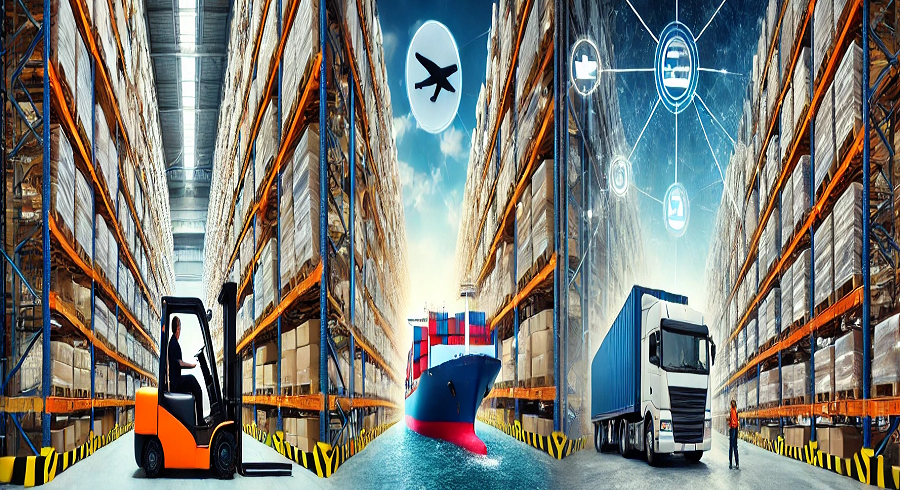
Smart and Sustainable Freight Transport Solutions
Freight transport is the backbone of global commerce, ensuring goods move efficiently across cities, countries, and continents. The industry is rapidly evolving, driven by technological advancements, environmental policies, and the need for greater efficiency.
With innovations such as autonomous vehicles, electric trucks, and blockchain logistics, freight transport is entering a new era of efficiency and sustainability. This article examines key trends, challenges, and future developments shaping the sector.
Types of Freight Transport and Their Roles
Freight transport consists of multiple modes, each optimized for different types of cargo and distances.
1. Road Freight
Road transport dominates domestic logistics, providing flexibility and cost-effectiveness for last-mile deliveries.
- Electric trucks are becoming a viable alternative to diesel fleets.
- Self-driving trucks are being tested to improve safety and efficiency.
- AI-powered route optimization helps reduce fuel consumption and delays.
2. Rail Freight
Rail transport is an efficient method for long-haul freight, offering lower emissions and cost savings for bulk shipments.
- Hydrogen-powered trains are emerging as a sustainable alternative.
- Automated rail yards are improving cargo handling speeds.
- High-speed freight rail is reducing transit times for urgent shipments.
3. Maritime Freight
Shipping remains the most cost-effective way to move large quantities of goods across oceans.
- Wind-assisted shipping reduces fuel consumption.
- LNG-powered cargo ships are cutting down emissions.
- AI-driven port management streamlines loading and unloading operations.
4. Air Freight
Air cargo is crucial for high-value and time-sensitive shipments, though it remains expensive and carbon-intensive.
- Sustainable aviation fuels (SAFs) are reducing emissions.
- Autonomous cargo drones are revolutionizing last-mile deliveries.
- AI-driven cargo optimization is enhancing efficiency and reducing costs.
Key Innovations in Freight Transport
As freight transport becomes increasingly automated and digitalized, several emerging technologies are driving efficiency and sustainability.
1. Autonomous Vehicles in Logistics
Self-driving trucks and ships are becoming a reality, with companies investing heavily in automation.
- Driverless trucks are reducing operating costs and improving efficiency.
- AI-driven vehicle monitoring ensures timely maintenance.
- Smart warehouses are integrating with autonomous vehicles for seamless logistics.
2. Artificial Intelligence in Freight Logistics
AI is transforming logistics by enhancing decision-making and predictive analytics.
- AI-powered demand forecasting helps companies optimize inventory.
- Smart tracking systems enable real-time shipment monitoring.
- Automated warehouses are reducing human intervention in logistics.
3. Green Freight Transport Solutions
Sustainability is becoming a top priority in freight transport, leading to widespread adoption of eco-friendly technologies.
- Electrification of trucking fleets is reducing carbon footprints.
- Renewable energy-powered transport hubs are increasing efficiency.
- Hydrogen-fueled ships and trains are emerging as viable solutions.
Challenges Facing the Freight Transport Industry
Despite advancements, the freight industry faces significant challenges.
1. Rising Fuel and Energy Costs
Fluctuating fuel prices continue to impact logistics, forcing companies to explore alternatives like electric and hydrogen-powered vehicles.
2. Supply Chain Disruptions
Global events, labor shortages, and climate-related disruptions have exposed vulnerabilities in supply chains, leading to a push for more resilient and diversified logistics networks.
3. Regulatory Changes
Governments worldwide are implementing stricter emissions regulations, requiring companies to invest in cleaner technologies.
Future Trends in Freight Transport
The freight industry is evolving rapidly, with several key trends expected to shape its future.
1. Hyperloop Freight Transport
Hyperloop technology, which propels cargo at high speeds in vacuum tubes, promises to revolutionize freight transport.
- Reduces shipping times from days to hours.
- Lowers energy consumption.
- Minimizes congestion on highways and railways.
2. Blockchain for Secure Logistics
Blockchain technology is being adopted to enhance transparency and security in freight transport.
- Smart contracts automate payments and reduce fraud.
- Tamper-proof tracking systems prevent cargo theft.
- Decentralized logistics networks improve trust in global trade.
3. Drone Deliveries for Freight Transport
Cargo drones are being tested for delivering goods to remote and urban areas, offering a faster and more cost-effective solution.
- Reduces dependency on traditional road transport.
- Improves emergency and medical supply chains.
- Enhances efficiency in last-mile deliveries.
Conclusion
Freight transport is undergoing a transformation driven by autonomous technology, green innovations, and digital logistics solutions. Companies investing in electric trucking, AI-driven logistics, and sustainable shipping will be well-positioned for success.
The future of freight transport is expected to be faster, more efficient, and environmentally friendly, ensuring global supply chains remain resilient in an ever-changing world.


