
Revolutionizing Logistics: The Road Ahead
The Future of Logistics: Trends, Challenges, and Innovations
Understanding Logistics and Supply Chain Management
Logistics plays a crucial role in modern economies, ensuring the efficient movement of goods, services, and information. It is an integral part of supply chain management, connecting manufacturers, suppliers, retailers, and customers.
What is Logistics?
The term logistics refers to the planning, implementation, and coordination of transportation, storage, and distribution of products. It involves multiple components, including inventory management, freight transportation, and warehousing solutions.
The Importance of Efficient Logistics
A well-structured logistics system enhances productivity, reduces costs, and improves customer satisfaction. Companies that optimize their logistics operations gain a competitive edge by ensuring faster delivery, reduced lead times, and effective inventory control.
Key Components of Logistics
1. Transportation Logistics
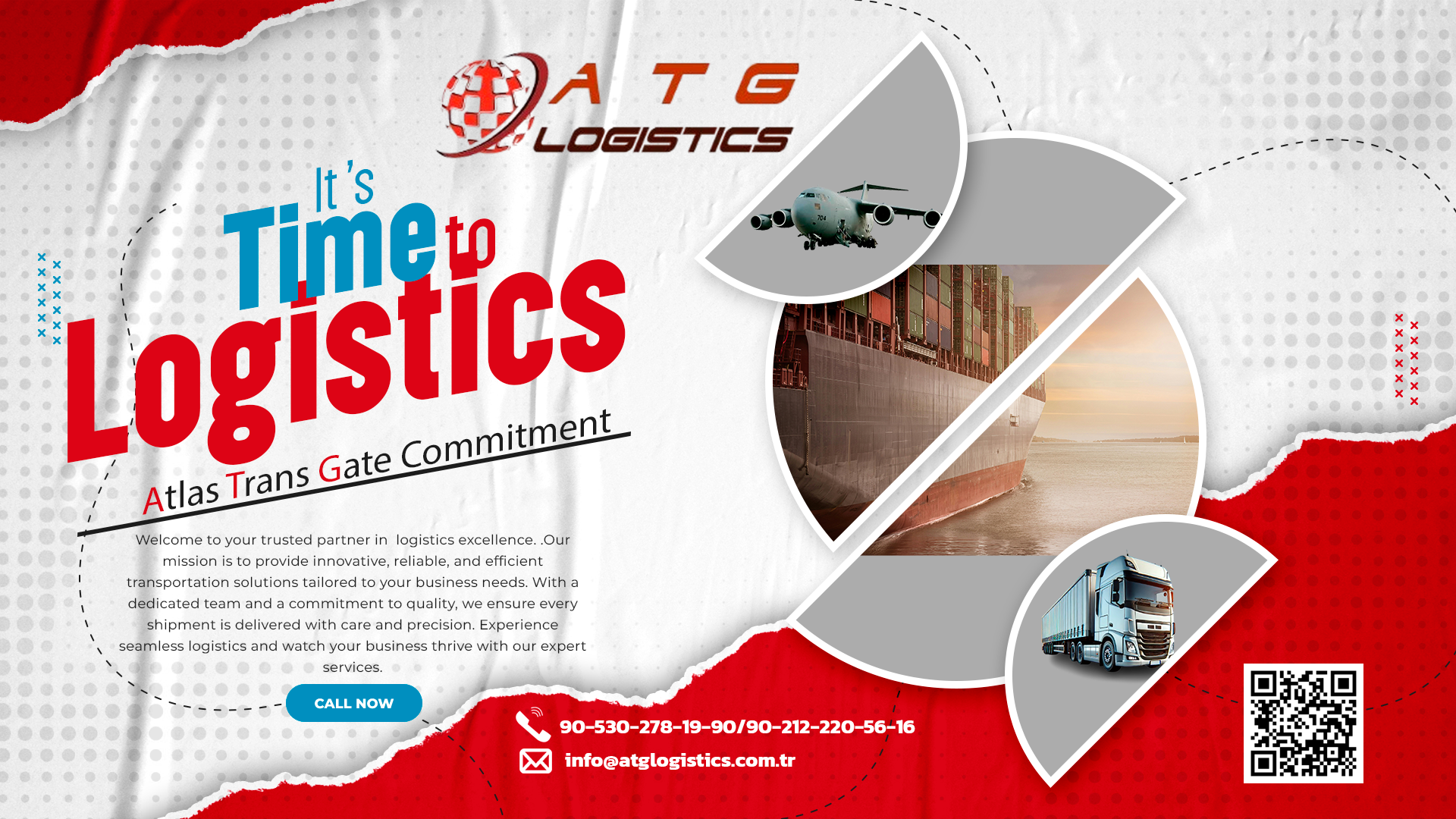
One of the most critical elements of logistics management is the transportation of goods. Companies rely on different modes of transport, including:
- Road Freight Logistics: Trucks and vans for local and international deliveries.
- Air Cargo Logistics: Fast but expensive, ideal for high-value shipments.
- Ocean Freight Logistics: Cost-effective for large-volume international trade.
- Rail Transport Logistics: Efficient for bulk transportation over long distances.
2. Warehousing and Distribution
Efficient warehouse logistics ensures goods are stored safely and dispatched on time. Modern logistics companies use automated systems for inventory tracking, reducing human errors and improving efficiency.
3. Freight Forwarding
Freight logistics services involve organizing shipments for individuals or corporations. Freight forwarders handle documentation, customs clearance, and transportation management to ensure smooth delivery.
4. Last-Mile Delivery
The final stage of logistics operations, known as last-mile delivery, focuses on getting products to the end consumer quickly and efficiently. Innovations like drone deliveries and autonomous vehicles are transforming this sector.
Emerging Trends in Logistics
1. Smart and Digital Logistics
Technological advancements are reshaping logistics services. Companies are adopting AI-driven logistics tracking systems, predictive analytics, and IoT solutions to optimize operations.
2. Sustainable Logistics Practices
With increasing environmental concerns, businesses are investing in green logistics, which includes electric vehicles, carbon-neutral shipping, and eco-friendly packaging.
3. Blockchain in Logistics
Blockchain logistics solutions improve transparency and security in supply chain management, reducing fraud and ensuring authenticity in trade transactions.
Challenges in Logistics Industry
Despite technological progress, logistics companies face several challenges, including:
- Supply Chain Disruptions: Global events, such as pandemics or geopolitical conflicts, impact logistics operations.
- High Transportation Costs: Fuel prices and labor shortages affect logistics efficiency.
- Regulatory Compliance: International trade regulations and customs policies vary, complicating freight logistics.
The Future of Logistics
Automation and Robotics in Logistics
The adoption of AI-powered logistics automation and robotics is reducing operational costs and enhancing efficiency in logistics management.
Big Data and Analytics
Data-driven logistics strategies help optimize supply chain logistics, improve demand forecasting, and minimize risks in transportation logistics.
Conclusion
As industries evolve, so does logistics and transportation. Companies that embrace technology, sustainability, and smart logistics solutions will lead the future of the logistics industry. Investing in efficient logistics operations is essential for businesses to thrive in the competitive global market.


