
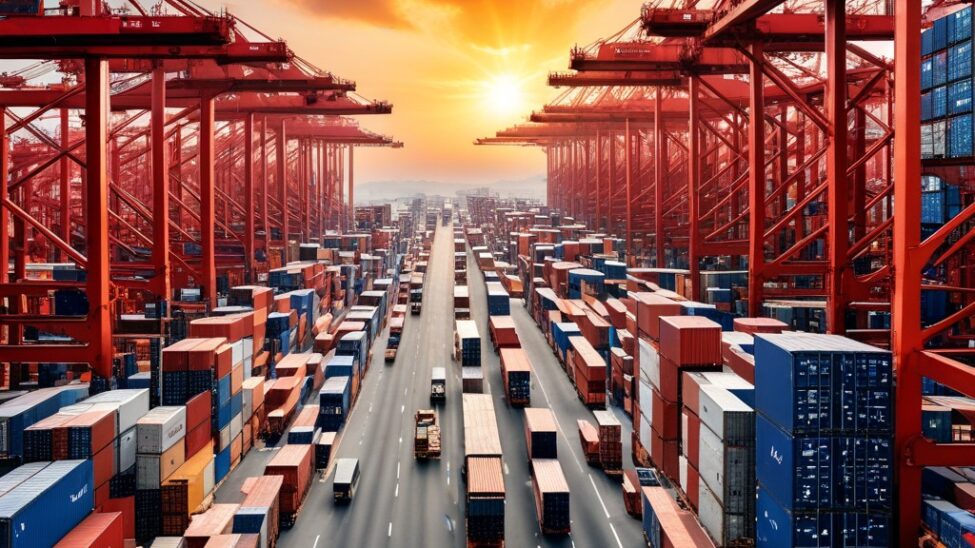
Optimizing Distribution Services for Efficient Logistics
In the fast-evolving world of logistics, the role of distribution services has never been more critical. Companies aiming for streamlined supply chain management must optimize their distribution network to enhance efficiency, reduce costs, and improve customer satisfaction. Whether it’s freight logistics, warehouse distribution, or supply chain logistics, businesses must integrate advanced strategies to remain competitive.
This article explores the fundamental aspects of distribution services, their challenges, innovations, and best practices for ensuring seamless operations.
The Importance of Distribution Services in Logistics
Efficient distribution services are at the core of modern logistics, ensuring that products reach their intended destinations without delays. The process involves several key components:
Key Components of Distribution Services
- Warehousing & Storage Solutions
Proper warehouse logistics ensures that products are stored safely and can be dispatched promptly when needed. - Transportation & Freight Management
Selecting the most efficient transportation logistics strategy—whether by road, rail, air, or sea—plays a crucial role in timely deliveries. - Order Fulfillment & Inventory Control
Maintaining a balance between supply and demand requires inventory logistics that minimizes waste while maximizing efficiency. - Last-Mile Delivery Optimization
The final step in the delivery chain, known as last-mile logistics, determines customer satisfaction and can significantly impact brand loyalty. - Reverse Logistics & Returns Management
Handling returns efficiently is just as important as outbound deliveries. Reverse logistics ensures that products are returned, refurbished, or disposed of correctly.
Challenges in Distribution Logistics
Despite technological advancements, several challenges continue to hinder seamless distribution logistics:
1. Demand Fluctuations
Unexpected spikes or drops in demand can lead to inventory imbalances, impacting overall efficiency.
2. Rising Transportation Costs
Fuel prices, labor costs, and regulatory changes contribute to increasing freight logistics expenses.
3. Global Supply Chain Disruptions
External factors such as pandemics, trade restrictions, and geopolitical tensions affect global distribution logistics.
4. Technological Integration Challenges
Implementing logistics technology requires significant investment and expertise, which can be a hurdle for many businesses.
Innovations Shaping the Future of Distribution Services
To overcome these challenges, companies are leveraging modern technologies and strategies:
1. Automation & Artificial Intelligence
From automated warehouse systems to AI-driven demand forecasting, technology enhances logistics distribution efficiency.
2. IoT & Real-Time Tracking
Using IoT sensors and GPS tracking, companies can monitor shipments in real-time, ensuring transparency in distribution logistics.
3. Sustainable Logistics Practices
Eco-friendly distribution methods, such as electric vehicles and carbon-neutral warehouses, are gaining traction.
4. Blockchain for Supply Chain Security
Blockchain technology enhances data security and transparency in supply chain distribution operations.
Best Practices for Optimizing Distribution Services
To achieve maximum efficiency in distribution logistics, companies should adopt the following best practices:
- Implement an Efficient Warehouse Management System (WMS)
- Optimize Routing & Delivery Schedules
- Leverage Data Analytics for Demand Forecasting
- Enhance Collaboration with Third-Party Logistics Providers (3PLs)
- Adopt Green Logistics Strategies
Conclusion
As logistics distribution continues to evolve, businesses must embrace innovation, overcome challenges, and implement best practices to stay ahead in the competitive landscape. By optimizing distribution services, companies can enhance operational efficiency, reduce costs, and improve customer satisfaction.


