
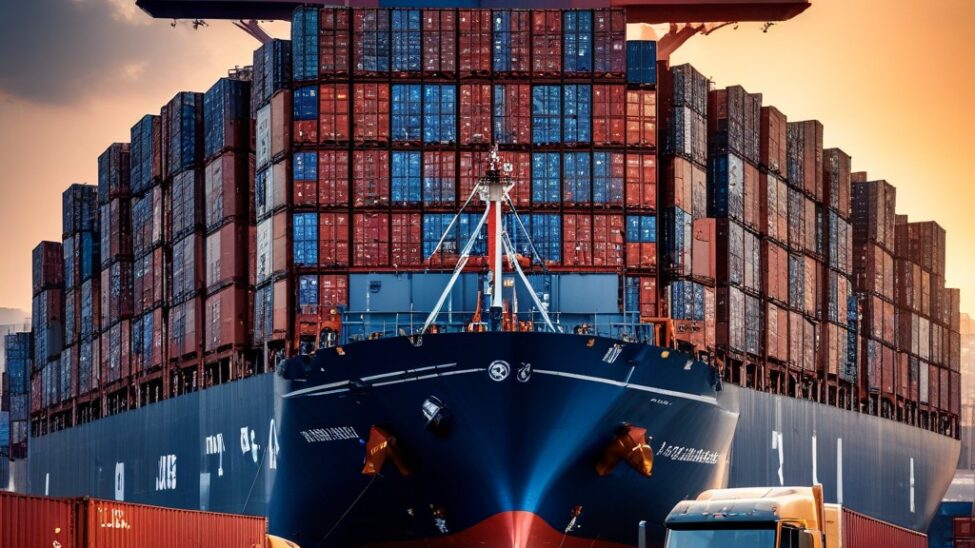
How Logistics Companies Are Shaping the Future of Trade
The Evolution of Logistics Companies: Transforming Global Trade
Introduction
In a rapidly changing global economy, logistics companies serve as the backbone of supply chains, enabling businesses to move goods efficiently across vast distances. From small-scale local deliveries to international freight forwarding, logistics firms play a crucial role in maintaining smooth operations in various industries. This article explores the evolution, challenges, and future of logistics companies, highlighting their impact on commerce and trade.
What Defines a Logistics Company?
A logistics company specializes in managing the transportation, warehousing, and distribution of goods. These companies provide essential services such as:
- Freight forwarding for global shipments
- Supply chain management to optimize efficiency
- Cold storage solutions for perishable goods
- Cross-border logistics for international trade
- Real-time tracking systems for shipment visibility
With the rise of e-commerce and globalization, logistics companies are evolving to meet the demands of modern businesses.
The History of Logistics and Its Transformation
1. Early Trade and Transportation
Historically, logistics was limited to maritime trade routes, caravans, and primitive storage systems. The Silk Road and spice trade routes were early examples of complex supply chain networks.
2. Industrial Revolution and Mechanization
The Industrial Revolution introduced mechanized transport systems, including steamships, railways, and automated warehouses, revolutionizing global trade and reducing transportation costs.
3. The Digital Revolution in Logistics
The introduction of AI-driven logistics, big data analytics, and smart supply chain automation has transformed logistics companies into tech-driven enterprises.
The Role of Logistics Companies in E-Commerce Growth
With the explosion of online shopping, e-commerce logistics has become a critical sector. Key services include:
- Express shipping for time-sensitive deliveries
- Flexible warehousing to accommodate demand fluctuations
- Reverse logistics for streamlined return processes
Customers now expect same-day or next-day delivery, pushing logistics companies to innovate their operations.
Challenges Facing Logistics Companies
1. Rising Operational Costs
Fuel price volatility and increasing labor costs impact logistics operations. Companies are investing in electric vehicles and fuel-efficient route planning to combat these challenges.
2. Infrastructure and Regulatory Barriers
International logistics faces challenges like customs delays, import/export restrictions, and inconsistent infrastructure in developing markets.
3. Last-Mile Delivery Optimization
Urban congestion and unpredictable delivery schedules complicate last-mile logistics. Companies are experimenting with drones and self-driving trucks to improve efficiency.
The Future of Logistics: What’s Next?
1. AI-Powered Logistics Solutions
Predictive analytics and machine learning algorithms enable logistics companies to anticipate disruptions and optimize supply chains.
2. Blockchain for Transparent Logistics
Blockchain ensures tamper-proof tracking, secure transactions, and enhanced accountability in global trade.
3. Sustainable Logistics Practices
Green initiatives such as carbon-neutral shipping, eco-friendly warehouses, and alternative fuels are shaping the future of logistics.
Conclusion
The logistics industry is undergoing a transformation fueled by technological advancements and shifting consumer expectations. By embracing innovation and efficiency, logistics companies will continue to drive global commerce, ensuring that goods move seamlessly from origin to destination.


